The missing piece of menopause
Why sexual wellbeing deserves to be part of every menopause conversation.
For decades, menopause conversations have focused on hormones, hot flashes and night sweats. One of the most important aspects of women's health has often been left out: sexual wellbeing.
Hormonal changes can affect how your body feels, how you experience intimacy, how you sleep, how you cope with stress and how connected you feel to yourself. Understanding these changes is the first step towards taking back control.
Menopause is more than hot flushes.
Most women expect hot flushes. Far fewer expect the changes that can happen throughout the entire body.
Hormonal changes may influence:
- Sleep
- Mood
- Energy
- Anxiety
- Memory
- Concentration
- Confidence
- Vaginal comfort
- Sexual wellbeing
- Relationships
- Overall quality of life
Menopause isn't one symptom. It's an interconnected transition affecting multiple systems throughout the body.
Why sexual wellbeing changes
Many women notice changes they weren't expecting. These may include:
- reduced lubrication
- increased vaginal dryness
- reduced sensitivity
- lower desire
- discomfort during intimacy
- difficulty becoming aroused
- orgasms taking longer
- feeling disconnected from their body
None of these experiences mean something is wrong. They are common consequences of changing hormone levels.
Yet many women never hear about them before they happen.
Sexual wellbeing is health.
For a long time, sexual wellbeing has been seen as something optional — something nice to have. Research increasingly suggests something different.
Sexual wellbeing contributes to overall quality of life throughout adulthood and beyond. It isn't only about intimacy with a partner. It's about:
- feeling comfortable in your own body
- maintaining confidence
- preserving intimacy
- supporting emotional wellbeing
- staying connected with yourself
“Sexual wellbeing is an important part of healthy ageing — not something that ends with menopause.”
What happens during arousal?
When we become sexually aroused, the body responds in remarkable ways.
- Blood flow increases.
- The pelvic floor becomes more active.
- Natural lubrication increases.
- Muscles relax.
- The nervous system shifts into a more restorative state.
These natural physiological responses are one reason researchers have become increasingly interested in understanding the role of sexual wellbeing during menopause.
Why researchers became interested
For many years, almost no research explored whether sexual wellbeing could influence menopause symptoms beyond intimacy itself. That began to change.
Researchers from the Kinsey Institute set out to investigate whether regular clitoral stimulation and masturbation could play a broader role in women's wellbeing during menopause. Many women reported improvements extending beyond intimate wellbeing.
Discover the research
Learn how one of the first dedicated research programmes explored the relationship between masturbation, orgasm and menopause symptoms.
Explore the researchYou're not alone.
Many women believe they are the only one experiencing these changes. They're not — sexual wellbeing during menopause has simply been under-discussed for too long.
Talking openly. Understanding your body. Learning what works for you. These are all important parts of navigating menopause with confidence.
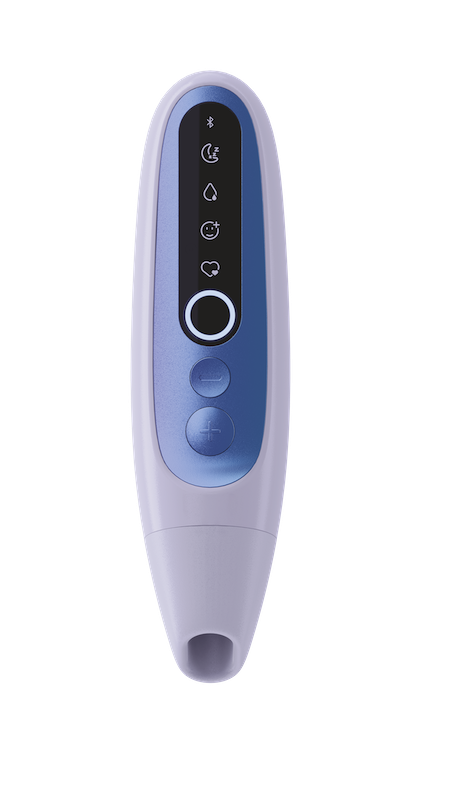
MenoPulse
MenoPulse was created from one simple belief: if sexual wellbeing matters during menopause, women deserve a solution designed specifically for this stage of life.
Using gentle external clitoral stimulation together with personalised routines, symptom tracking and educational support through the SheHerMe app, MenoPulse helps make intimate wellbeing part of your everyday self-care.
Discover MenoPulseFrequently asked questions
- Does sexual wellbeing change during menopause?
- Yes. Many women notice changes in desire, sensitivity, lubrication or comfort due to hormonal changes.
- Is this normal?
- Yes. These experiences are extremely common, although they vary considerably between individuals.
- Is masturbation healthy during menopause?
- Many healthcare professionals recognise masturbation as a normal part of sexual wellbeing. Researchers continue to investigate how regular sexual activity and orgasm may influence wellbeing during menopause.
- Does orgasm affect more than pleasure?
- Research suggests orgasm sets off a range of physiological responses associated with relaxation, mood and sleep. Scientists continue to investigate how these responses may influence menopause experiences.
- Does every woman experience these changes?
- No. Every menopause journey is unique. Some women experience very few changes, while others notice effects across multiple areas of wellbeing.